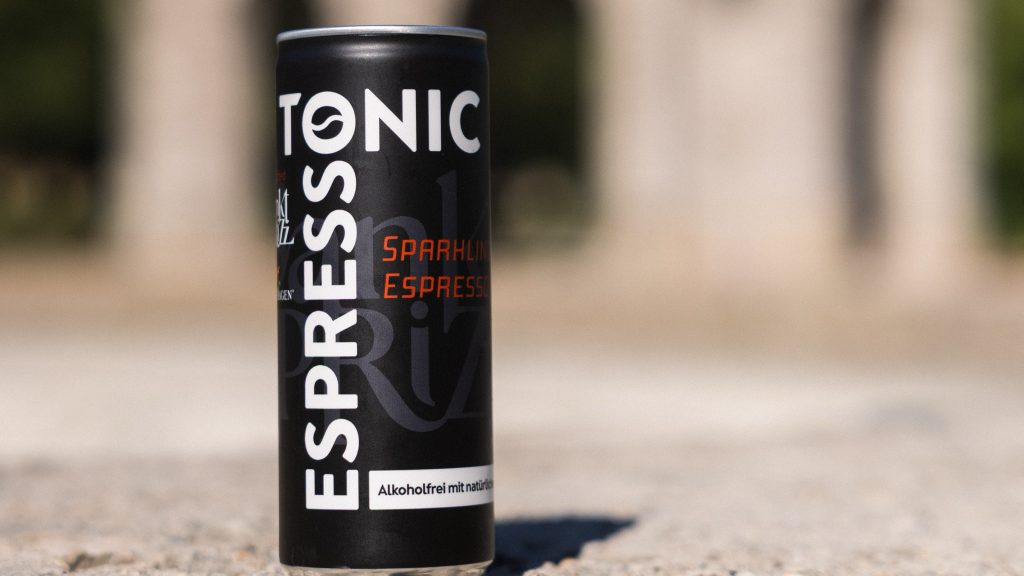
Espresso Tonic by Sankt Sprizz × Mount Hagen takes a drink normally mixed behind a specialty-coffee bar and makes it ready for the chiller. Real cold-brew espresso meets a sparkling tonic component in an organic, alcohol-free can, with both caffeinated and decaf versions.
That combination gives it a useful identity of its own. It is neither a milky iced coffee nor a conventional energy drink, and it does not try to imitate a spirit. For hotels, cafés, events and travel hospitality looking beyond familiar soft drinks, that is exactly what makes it worth discovering.
A coffee-bar idea that became a product
The story began at Biofach in Nuremberg in 2025, where Sankt Sprizz and organic coffee company Mount Hagen shared a trade-fair bar. Fresh espresso was cooled and topped with Sankt Sprizz tonic. According to the founders, the resulting queue at the bar turned an improvised serve into a product-development brief.
Aperitivo Kollektiv, the company behind Sankt Sprizz, subsequently developed the ready-to-drink version in partnership with Mount Hagen. The first canned batch began shipping in August 2026. The producer also records a second-place finish at the Biofach Start-up Award 2026, while Biofach’s official programme confirms Aperitivo Kollektiv among that year’s participating start-ups.
The result is made in Germany using cold brew prepared from ground Mount Hagen organic espresso beans. It is certified to the EU organic standard under control code DE-ÖKO-006 and contains no alcohol. The standard version draws its caffeine naturally from the coffee, while the decaf version is designed for later service and guests who prefer to avoid caffeine.
Why it is commercially interesting
Espresso tonic already has recognition within specialty coffee, but freshly preparing it requires espresso equipment, ice, tonic and consistent technique. A ready-to-drink version removes much of that service friction while preserving the central idea: coffee depth, tonic bitterness and lively carbonation.
The producer describes the flavour as dry and grown-up, with herbal, citrus and bitter tonic notes over rounded cold-brew coffee. That is the producer’s sensory description rather than a Deligoods tasting note, but it gives buyers a useful indication of where the drink sits.
The two-variant format also broadens the occasions it can cover. The caffeinated version could suit breakfast transitions, daytime meetings, cafés and afternoon service. Decaf creates a route into evening events, hotel bars and alcohol-free menus without asking guests to accept coffee as an exclusively morning flavour.
Where we see it working
For a boutique hotel, Espresso Tonic could sit in a minibar, pool bar or grab-and-go cabinet as an alternative to predictable sodas. At conferences and events, it offers a more distinctive refreshment for guests who want something sparkling but not alcoholic. Coffee shops can add the style without changing their workflow, while cocktail bars can explore it as a consistent base for a longer serve.
Private aviation caterers and yacht provisioners may appreciate the sealed, ambient-stable format before chilling for service. It is lightweight, portion-controlled and needs no coffee machine at the point of consumption. For villas and private events, it also provides a talking point that can be served simply rather than turned into an elaborate presentation.
Retailers would need to explain the proposition clearly. “Cold-brew espresso with sparkling tonic” is more useful than positioning it vaguely as a wellness drink or another energy product. Curiosity may secure the first purchase; a clear flavour expectation is what supports repeat demand.
How we would serve it
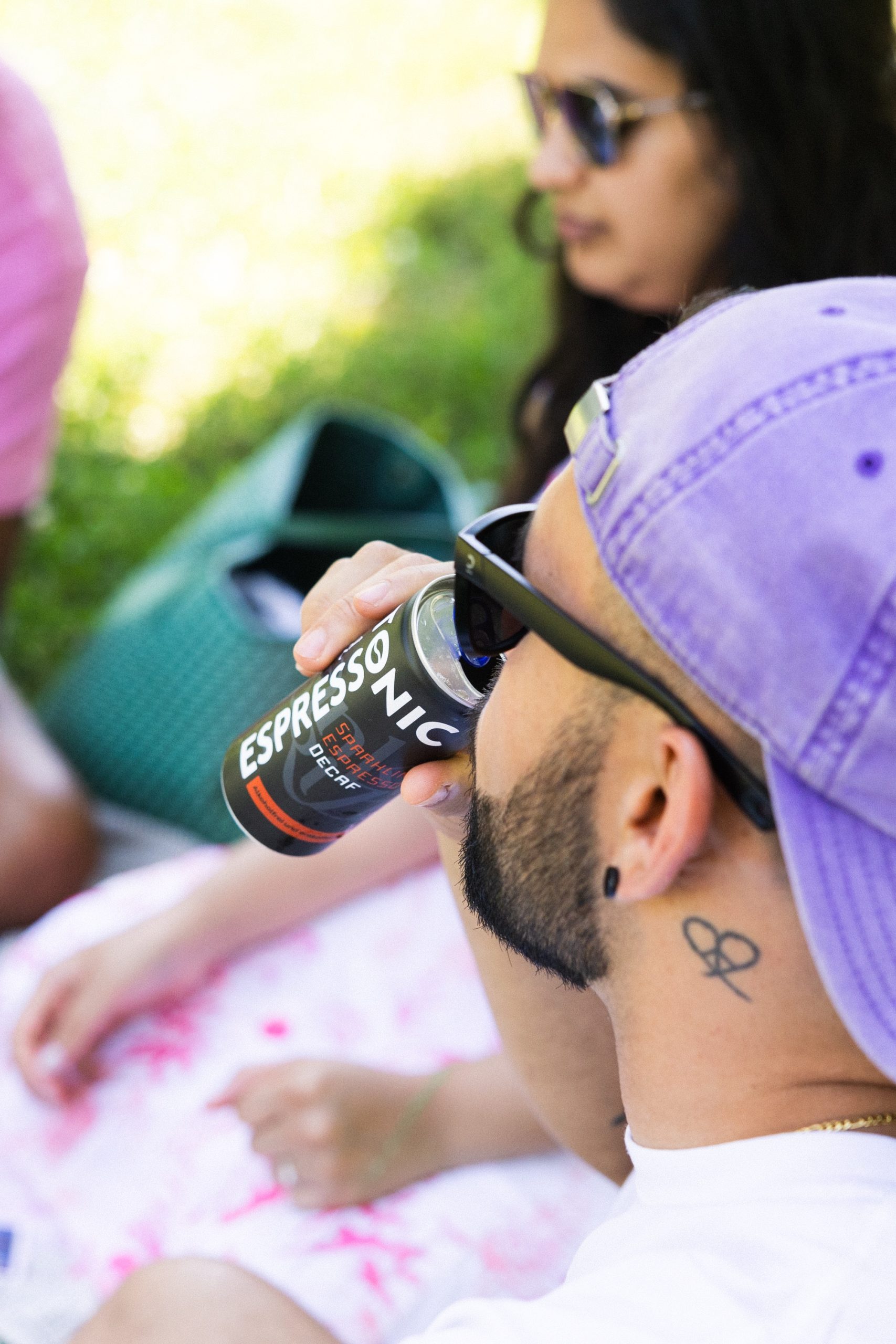
The simplest test is also the most useful: chill it thoroughly and serve it as supplied. That reveals whether the balance of coffee, bitterness and carbonation suits the intended customer before garnishes are introduced.
For a hotel bar or café, pouring over ice with a strip of orange peel would make the format feel more deliberate while keeping preparation quick. A stemmed glass can position it as an alcohol-free aperitif; a highball makes the coffee-and-tonic character more explicit. The decaf version deserves its own menu description rather than a small footnote, because its evening suitability is part of the commercial story.
Bars may also test the drink as a mixer, but the alcohol-free serve should remain visible in its own right. Its strongest distinction is that it offers an adult flavour profile without needing to mimic gin, vermouth or another alcoholic category.
Questions professional buyers should ask
Before listing it, buyers should confirm the preferred mix of caffeinated and decaf stock, trade case configuration, minimum order, delivery terms, current shelf life on arrival and the ability to repeat supply. Spanish ingredient, nutrition, recycling and organic-labelling requirements also need to be reviewed for the exact batch supplied.
For hotels and event operators, the practical questions are equally important: where will it be chilled, how quickly will it move, and which service occasion will staff use to explain it? A short tasting with the team should establish the right glass, garnish and menu wording.
International buyers should specify destination, expected frequency and whether the request is for a trial, ongoing listing or event. This allows the supply route and landed cost to be assessed before a menu or retail commitment is made.
Espresso Tonic questions
Is it an energy drink?
No. It is an alcohol-free coffee-and-tonic soft drink. The caffeinated version obtains its caffeine from the espresso beans rather than added synthetic caffeine.
Does it contain dairy?
The published ingredient list does not include dairy, but buyers should always rely on the current label and product specification for allergen and dietary decisions.
Is there a caffeine-free option?
There is a decaf version made with decaffeinated Mount Hagen organic espresso beans. “Decaf” should not be interpreted as a universal zero-caffeine guarantee without checking the current specification.
Does it need to be refrigerated?
The producer describes unopened stock as suitable for unrefrigerated storage. It is intended to be served well chilled, and storage should follow the current label and supplier instructions.
Enquire through Deligoods
Tell us whether you are considering Espresso Tonic for a hotel, café, event, yacht, private aviation service, retail listing or private order. Include the destination, intended use and approximate timing.
We’ll confirm sourcing options, pricing and delivery on enquiry.
Explore more Deligoods Discoveries.
Research reviewed 14 October 2026. Product and launch details checked against Espresso Tonic’s official product and press information; Biofach participation checked against the official 2026 start-up programme. Featured photography © forStory GmbH, courtesy of Aperitivo Kollektiv.